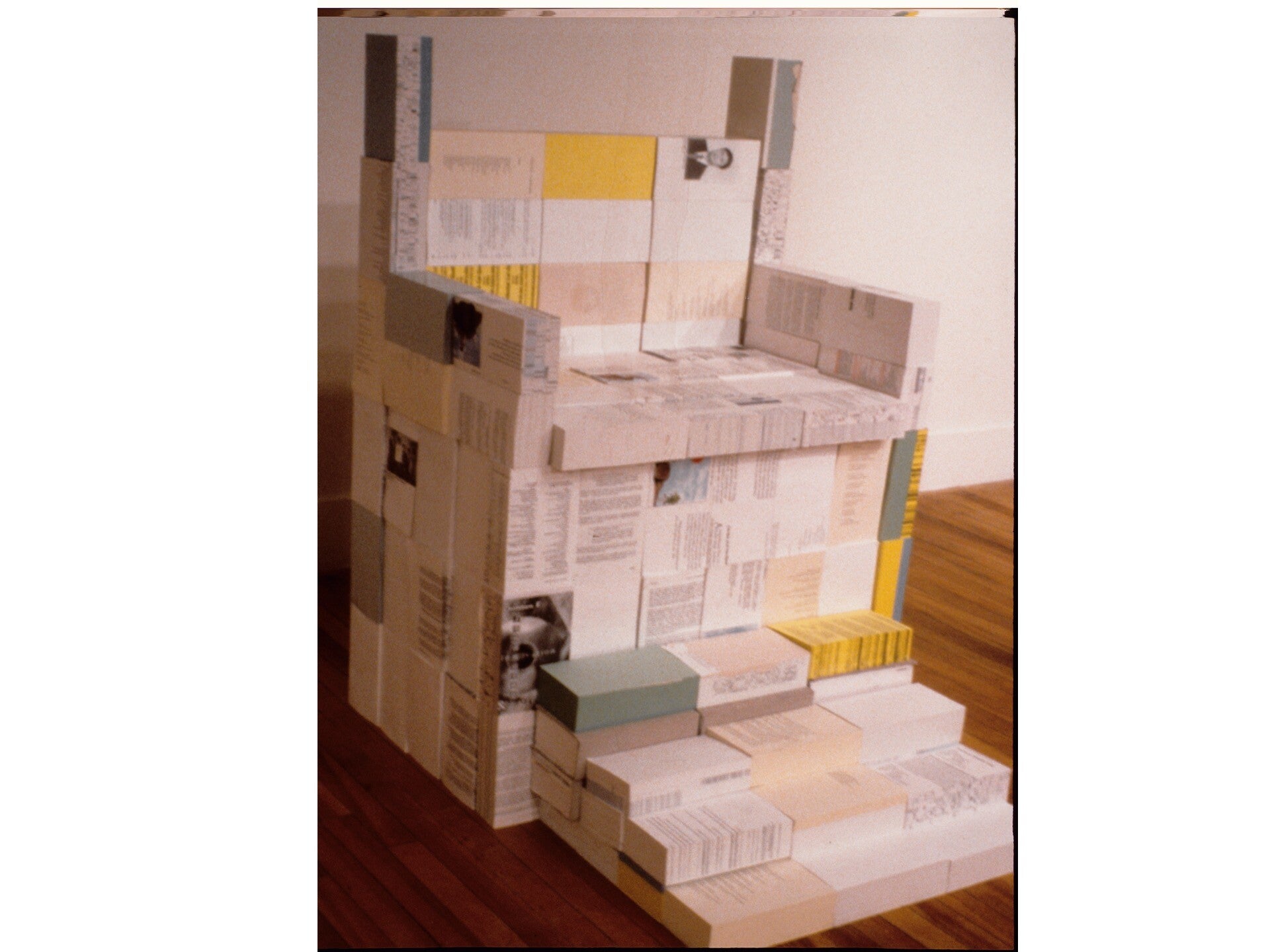
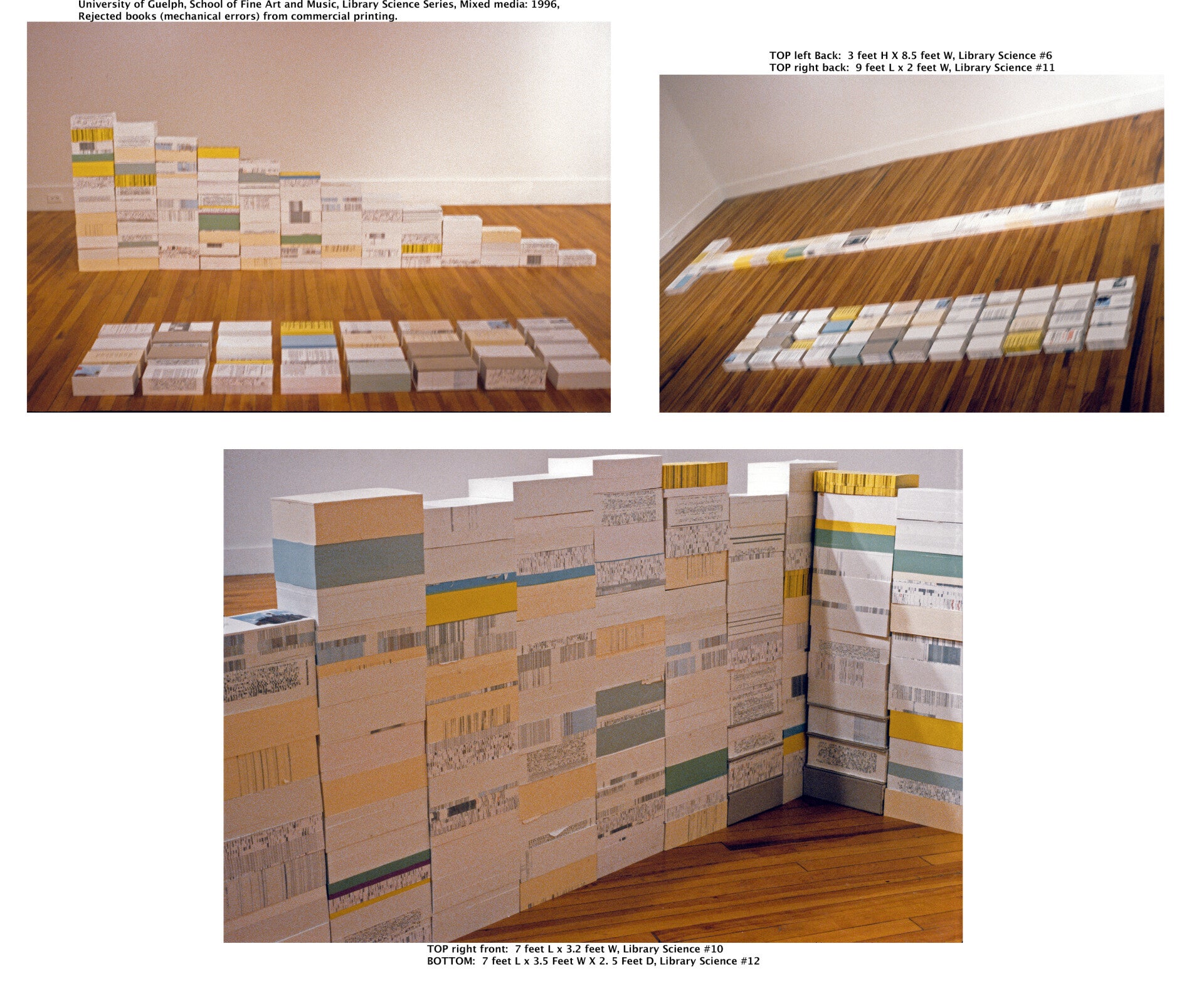
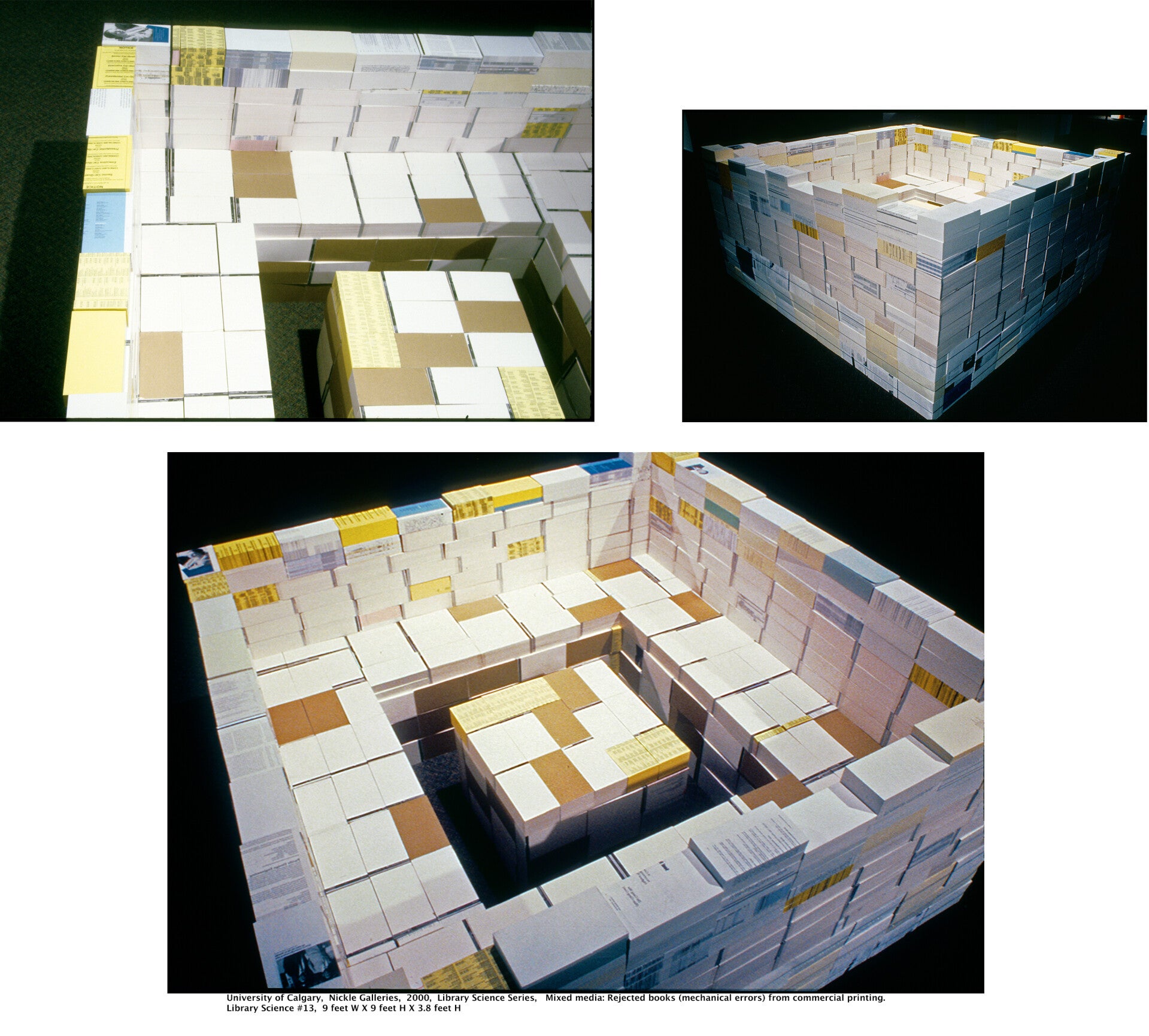
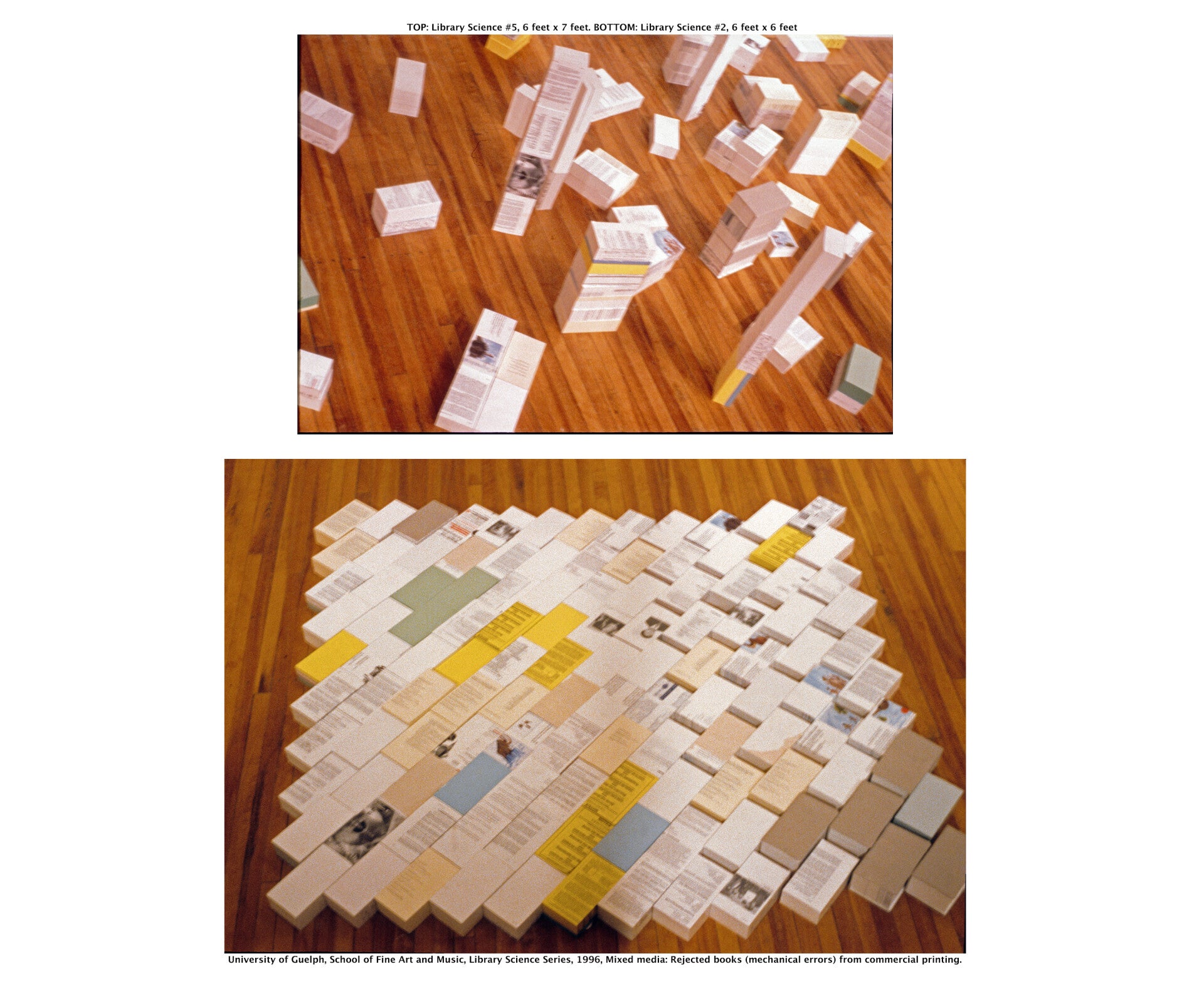
Library Science- 1994-1996
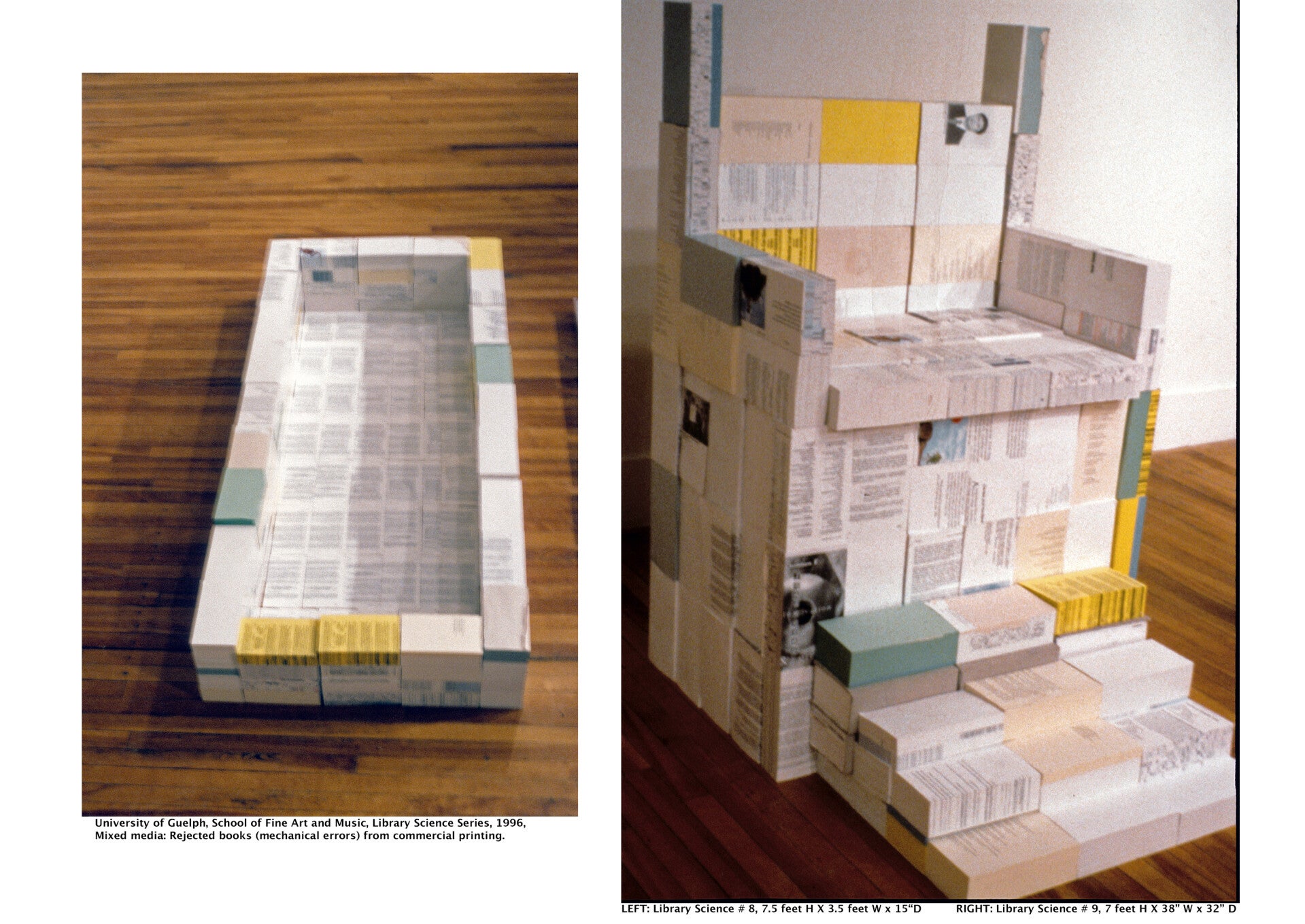
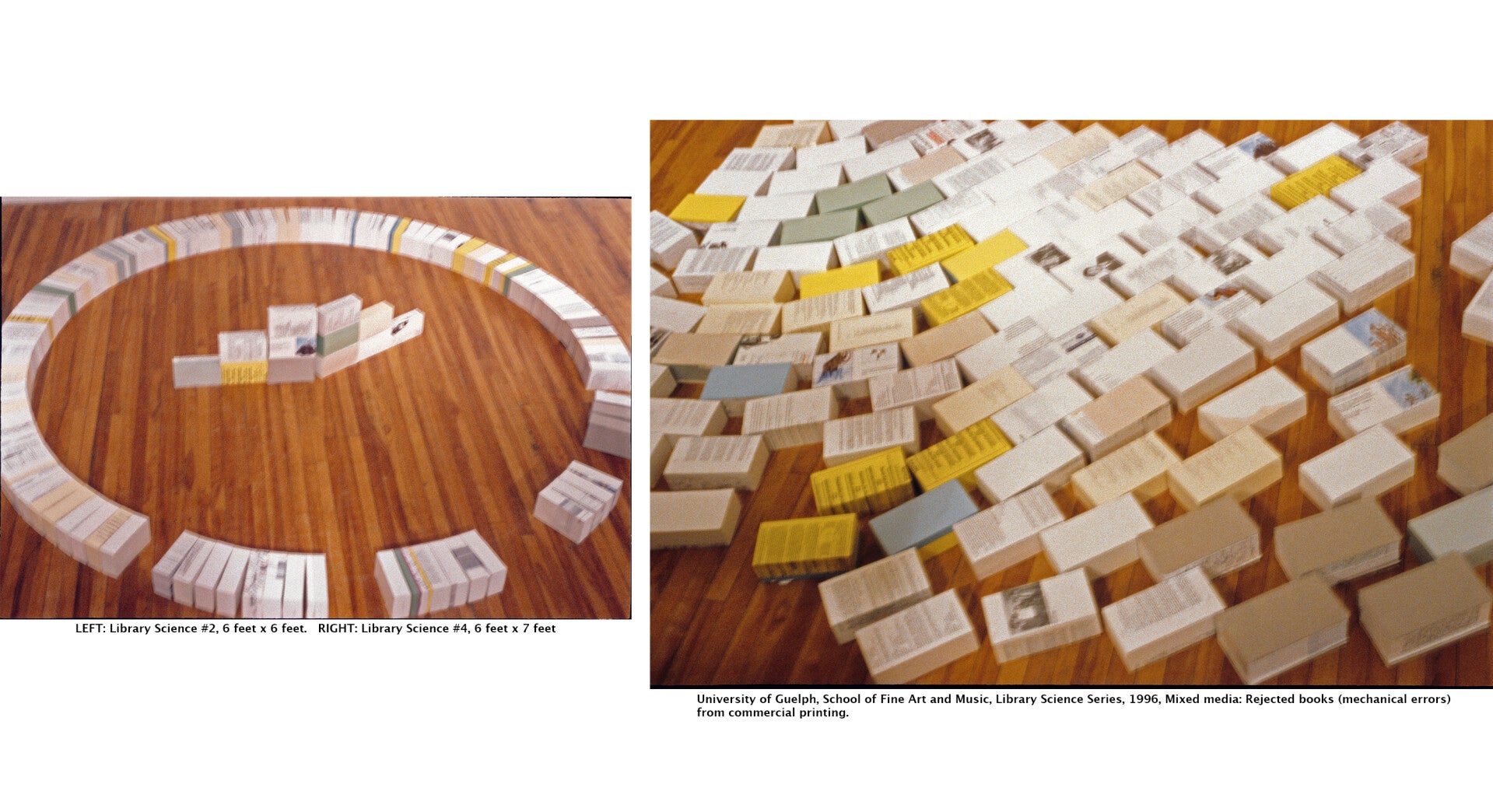
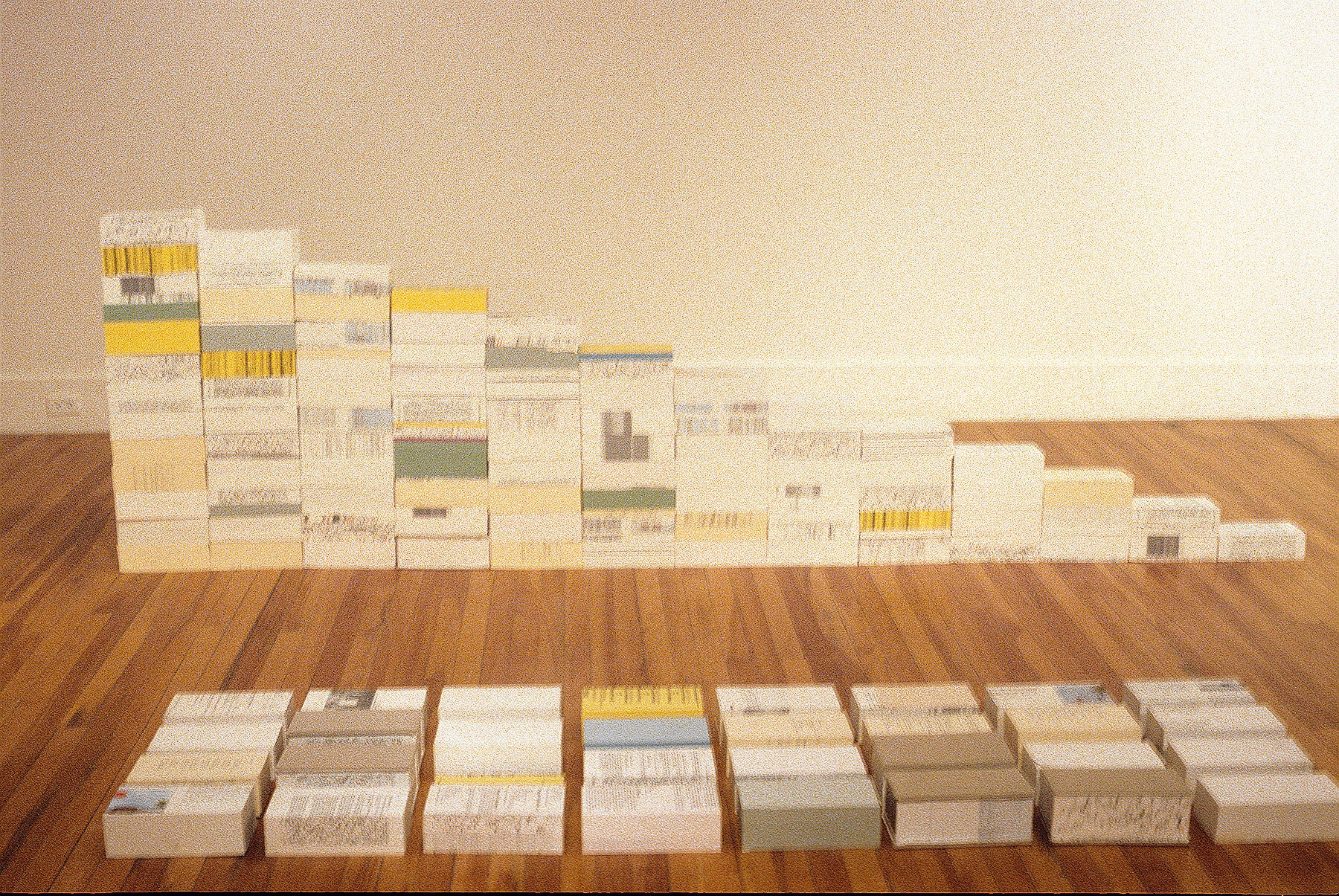
Architecture shapes the way individuals move and interact within spaces, influencing habitual behaviors. Similarly, institutional knowledge provides a structured framework designed to guide and support students in achieving their goals. Our university curriculum tends to view educational offerings as products aimed at serving our student clientele. Most students meet these goals by fulfilling the requirements of their degrees and programs. However, elevating the teaching and learning experience to help students understand their identities and purposes proves more challenging. Educational programs often cater to quotas, evaluations, and enrollment numbers, reducing them to mere products.
By employing architecture as a metaphor for designing learning environments, I encourage readers to consider incorporating a diverse range of knowledge into academic programs. This approach aims at fostering holistic development, engaging both the analytical and creative sides of the brain. Such an inclusive educational strategy is crucial for marking significant milestones in each phase of student development, nurturing their growth into well-rounded individuals.